
Construction documentation · Colorado Springs
Document the work before it gets covered.
Existing conditions, project progress, and concealed work captured at the right time and organized for the people managing the job. EDGE provides local documentation support with construction experience behind the camera.
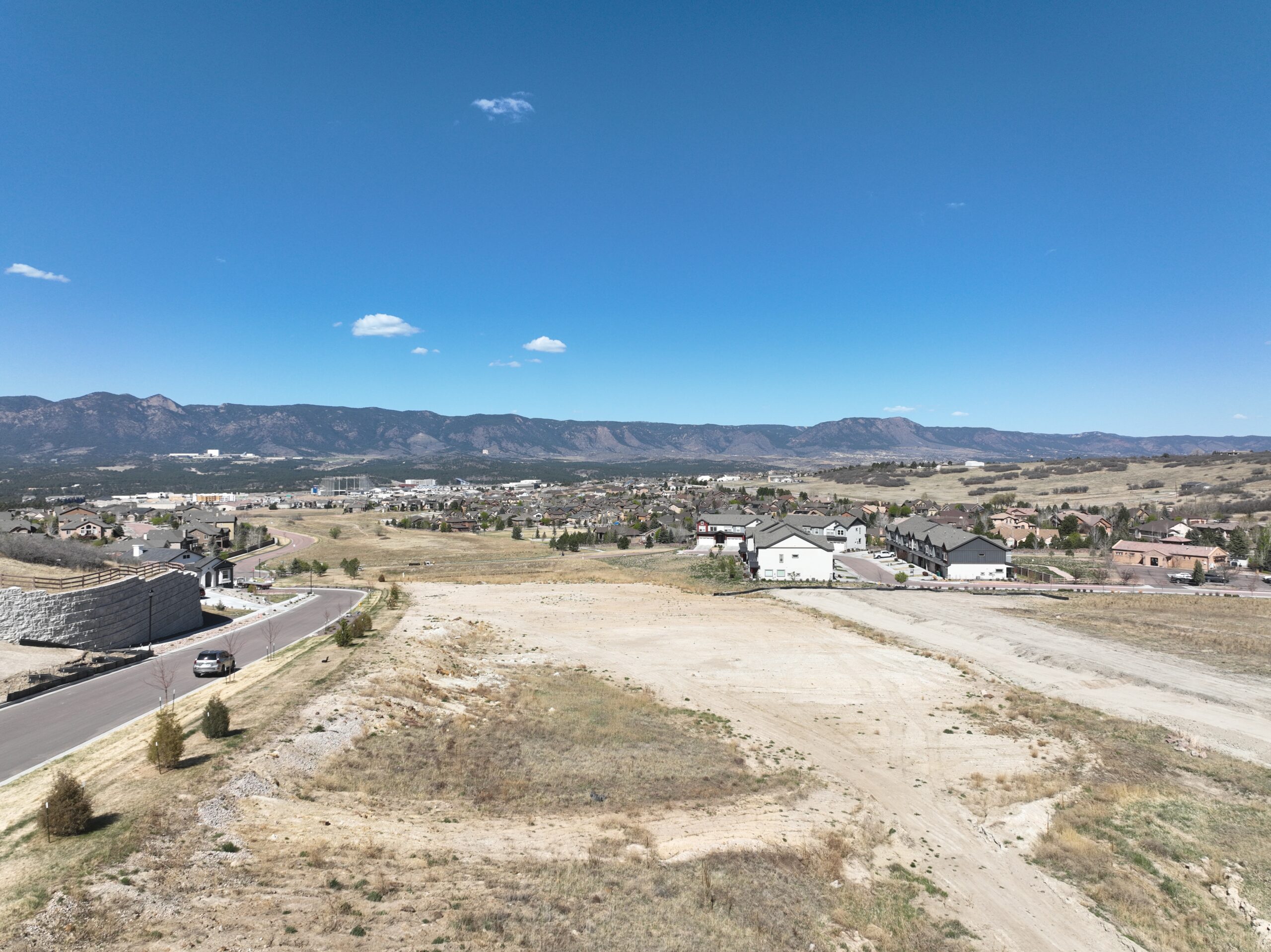
Documentation scopes
A record your team can locate and use later.
The visit matters. So does the handoff. EDGE can capture the agreed work areas and organize the images by date, location, and purpose, using the project's requirements and your team's system.
Existing conditions
Record the site, adjacent improvements, access, and areas affected by upcoming work before conditions change.
Progress documentation
Scheduled visits and repeatable views give the project team a dated visual record of what was underway at each stage.
Concealed conditions
Capture accessible utilities, trenches, embeds, rough-ins, and other work at an agreed milestone before backfill or finishes conceal it.
Organized project records
Deliver images and an index, key-plan references, or a closeout package when those items are included in the agreed scope.
Specification-driven work
Build the scope around the project requirements.
Division 01 requirements, including Section 01 32 33 Photographic Documentation, can call for specific intervals, vantage points, file formats, key plans, and submissions. Send the actual specification and EDGE can review and price the documentation portion.
For a smaller contractor without a formal photo specification, we can define a practical visit and handoff around the conditions that matter to the project team.
- When: recurring visits, milestones, or a cover date.
- Where: work areas, access, and priority views.
- How: ground imagery and aerial context where appropriate.
- What you receive: agreed files, labels, index, and delivery method.
- Who reviews: your designated PM, superintendent, or owner representative.
Why Eric
Construction context behind the record.
Eric has led field operations, developed sitework estimates, and worked through the details that affect production and project decisions. That experience helps him capture context as well as close detail, and keep the record connected to the work being performed.
Your field lead identifies the priority conditions and access window. Eric completes the agreed capture and returns an organized handoff for the team to review.
See selected field and aerial work →Useful when timing matters
A utility is about to be buried. A wall is about to close. A changed condition needs a dated record. A pay application needs progress imagery.
Tell Eric what needs to be visible later, where it is, and when the work will change. The capture plan can follow that decision.
How an assignment starts
One scope, a coordinated visit, a clear handoff.
Work can be a single pre-cover event or a schedule of recurring visits. Frequency, field access, deliverables, and fee are agreed before the first capture.
Send the requirement
Share the project location, specification or priority areas, deadline, and intended use of the record.
Coordinate the field work
Agree on site access, contact, safety requirements, viewpoints, and the visit window before conditions change.
Put the record to work
Receive the agreed images and organized references through the format or project system selected for the assignment.
Work directly with Eric
Have a cover date coming up?
Send the project location, what will be covered, the access window, and any documentation requirements. Eric will respond about scope and availability.